
The cultural impact of casinos on modern society
The cultural impact of casinos on modern society
Introduction to Casinos in Modern Society
Casinos have long been intertwined with various aspects of culture, influencing everything from social norms to entertainment preferences. Historically, these establishments have served as both leisure destinations and sources of economic stimulation. The rise of casinos, particularly in urban centers, has sparked conversations around their role in shaping community identity and fostering social interaction among diverse groups. Among the many options available today, Realbet Casino stands out for its innovative approach to gaming.
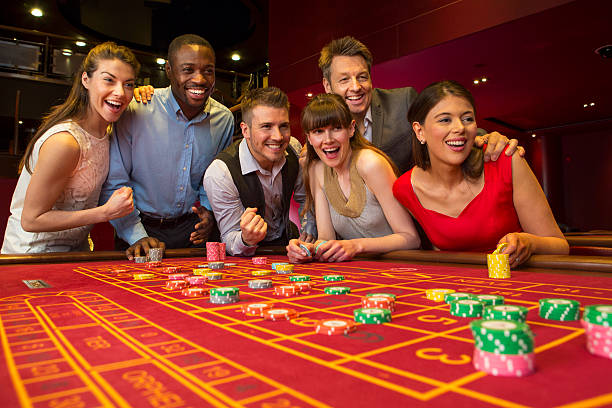
In modern society, casinos are no longer mere gaming venues; they have evolved into multifaceted entertainment hubs. Many modern casinos offer a wide range of attractions including gourmet restaurants, luxurious hotels, and live entertainment. This transformation highlights the importance of casinos in promoting tourism and contributing significantly to local economies, while also raising questions about their societal impact.
The role of casinos extends beyond mere recreation; they also represent a microcosm of societal values and behaviors. As places where chance and skill intersect, they reflect deeper cultural attitudes toward risk, reward, and social connection. Understanding the cultural impact of casinos helps illuminate broader societal trends and the evolving nature of leisure activities.
Social Interaction and Community Building
One of the most significant impacts of casinos is their ability to foster social interactions among diverse individuals. Casinos often serve as community gathering spaces where people from various backgrounds come together to share experiences. Whether through competitive gaming or casual conversations over drinks, these venues facilitate social bonding and the formation of new relationships.
Casinos often host events that attract not only regular patrons but also tourists, creating a vibrant social atmosphere. Special promotions, tournaments, and themed nights encourage participation from all segments of society. This inclusive environment helps break down social barriers, allowing individuals to engage in a shared experience, thus enhancing community ties.
Moreover, the social dynamics within casinos can serve as a reflection of broader societal trends, including changing attitudes toward gambling. As more people view casinos as legitimate entertainment venues rather than taboo spaces, the stigma traditionally associated with gambling diminishes. This shift contributes to the normalization of casinos as spaces for leisure and connection.
Cultural Representations in Media and Entertainment
Casinos have a significant presence in popular media, often portrayed in films, television shows, and literature as glamorous, high-stakes environments. This representation influences public perception and shapes cultural narratives surrounding gambling. Iconic films like “Casino” and “Ocean’s Eleven” glamorize the casino lifestyle, emphasizing themes of luck, wealth, and intrigue.
Television shows that feature casinos often highlight not only the thrill of gaming but also the interpersonal dramas that unfold within these settings. These portrayals can enhance the allure of casinos, drawing individuals who seek the excitement depicted in the media. The intertwining of casinos with popular culture further solidifies their role as significant cultural landmarks.
Additionally, the cultural portrayal of casinos has led to the emergence of various subcultures, including gaming enthusiasts and professional gamblers. These groups contribute to a shared identity that enhances the overall casino experience and invites newcomers to explore this vibrant cultural phenomenon. The media’s fascination with casinos continues to shape societal attitudes and expectations regarding gambling and leisure.
Economic Contributions and Controversies
Casinos play a pivotal role in local economies, providing jobs and generating tax revenue for municipalities. The establishment of casinos often leads to job creation in various sectors including hospitality, entertainment, and service. This economic impact can be particularly pronounced in regions that may lack other substantial sources of revenue, providing a critical lifeline for local communities.
However, the economic benefits associated with casinos come with controversies. Critics argue that while casinos may stimulate local economies, they can also lead to social issues such as gambling addiction and increased crime rates. These concerns have prompted debates about the responsibilities of casino operators in promoting responsible gambling and supporting affected communities.
Moreover, the economic implications of casinos extend to the tourism sector. As destinations, casinos attract visitors who contribute to the local economy through spending on accommodations, dining, and entertainment. This relationship between casinos and tourism underscores the dual-edged nature of their economic impact, necessitating a balanced approach to regulation and community welfare.
The Future of Casinos in Cultural Context
As society evolves, so too does the role of casinos within it. With the advent of online gaming and mobile applications, traditional brick-and-mortar casinos face challenges and opportunities alike. The digital transformation of gambling has made it more accessible, allowing individuals to engage with gaming platforms from the comfort of their homes.
This shift may alter the cultural significance of casinos, as new forms of gambling emerge and attract younger generations. The integration of technology into casino experiences—such as virtual reality and gamification—promises to redefine how people interact with these environments. As casinos adapt to these changes, they will need to consider their cultural impact and maintain their relevance in an increasingly digital world.
In conclusion, while the future of casinos remains uncertain, their cultural significance is likely to persist. As community hubs, entertainment venues, and economic powerhouses, casinos will continue to shape societal attitudes toward leisure, risk, and social interaction. Understanding their evolving role can provide valuable insights into broader cultural trends.

Realbet Casino and Its Contribution
Realbet Casino, launched in 2023, is a noteworthy example of how the modern casino landscape is adapting to contemporary societal needs. As a crypto-first platform, it caters to a growing demographic of players who value both innovation and security in their gaming experiences. By embracing cryptocurrency, Realbet Casino not only reflects current technological advancements but also enhances accessibility for a diverse audience.
With a vast selection of games, from slots to live table games, Realbet Casino provides engaging entertainment options while prioritizing user safety and privacy. The robust data protection measures in place demonstrate a commitment to fostering a trustworthy environment for gamers. Such platforms illustrate the evolution of casinos into multifaceted entertainment spaces that integrate modern technology and cultural relevance.
Realbet Casino’s emphasis on community engagement, coupled with its innovative offerings, positions it as a leader in shaping the future of gambling. As it continues to grow, its influence on both the gaming industry and modern cultural dynamics is likely to expand, further illustrating the ongoing cultural impact of casinos in society.